A single traditional outfit can tell a story of culture, craftsmanship, and timeless elegance. Indian ethnic fashion has remained a symbol of beauty and heritage for generations while continuously adapting to changing trends. From festive celebrations to weddings and cultural gatherings, traditional attire continues to inspire confidence and admiration across different age groups.
The beauty of Indian clothing lies in its ability to combine artistic weaving techniques, vibrant colors, and meaningful traditions. Every region contributes unique fabrics and designs that reflect local history and skilled craftsmanship. The main point of this article is to explore how traditional Indian fashion continues to remain relevant by blending heritage with modern preferences while highlighting the importance of selecting authentic handcrafted garments.
The Growing Popularity of Traditional Handwoven Fashion
Traditional Indian garments continue to enjoy increasing popularity because they offer elegance, comfort, and cultural significance. Fashion enthusiasts appreciate handcrafted fabrics for their unique textures and intricate detailing that cannot easily be replicated through mass production.
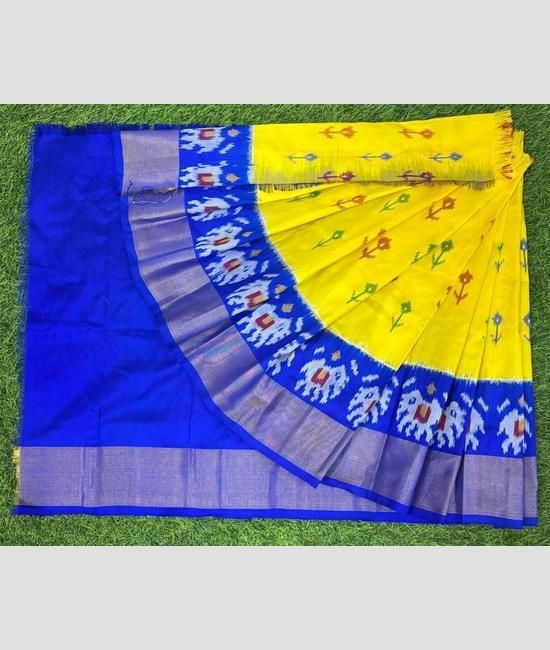
Among the many traditional choices available today, the ikkat pattu lehenga has become a preferred option for festive occasions and wedding celebrations. Its attractive patterns, luxurious appearance, and artistic weaving techniques make it an excellent choice for those who appreciate timeless ethnic fashion.
Designers have successfully introduced contemporary styling ideas while preserving the originality of traditional weaving methods. This combination allows classic garments to appeal to younger generations without losing their authentic identity. Modern styling, comfortable tailoring, and elegant accessories further increase the popularity of handcrafted ethnic wear.
As appreciation for handmade textiles continues to grow, artisans receive greater recognition for preserving ancient weaving traditions. This growing awareness also encourages consumers to support authentic craftsmanship over machine-produced alternatives.
The Rich Heritage Behind Indian Textile Craftsmanship
India has one of the world's richest textile traditions, with every region contributing distinctive weaving techniques and artistic expressions. Skilled artisans spend countless hours creating fabrics that reflect generations of inherited knowledge. These techniques often require patience, precision, and years of experience.
Natural fibers, vibrant dyes, and carefully crafted motifs give traditional garments their exceptional beauty. Many weaving styles have survived for centuries because families continue passing their skills from one generation to the next. Such dedication ensures that cultural heritage remains alive even as fashion trends evolve.
The increasing appreciation for handcrafted textiles has also encouraged many people to learn more about the stories behind the fabrics they wear. Understanding the cultural value of traditional clothing creates deeper respect for the craftsmanship involved in every finished piece.
Finding the Perfect Balance Between Tradition and Modern Fashion
Modern ethnic fashion offers remarkable flexibility, allowing traditional garments to suit both formal celebrations and contemporary events. Stylish draping techniques, elegant jewelry, and minimal accessories can completely transform the overall appearance while maintaining cultural authenticity.
Comfort has become equally important in today's fashion choices. Lightweight fabrics, breathable materials, and carefully designed silhouettes make traditional attire practical for extended wear during weddings, festivals, and family functions. At the same time, traditional embroidery, weaving patterns, and handcrafted details preserve the classic appeal that makes ethnic clothing so distinctive.
Fashion trends may continue to change, but garments created through traditional methods consistently remain valuable because they represent quality, artistry, and timeless elegance. Choosing handcrafted clothing allows individuals to celebrate cultural identity while expressing personal style in a graceful manner.
The enduring charm of the ikkat pattu lehenga demonstrates how heritage-inspired fashion can successfully remain fashionable across generations. Its sophisticated craftsmanship continues to attract people seeking elegance combined with authentic traditional artistry.
The Convenience of Shopping for Authentic Ethnic Wear Online
The expansion of online shopping has made traditional Indian clothing more accessible than ever before. Customers can now explore a wide variety of handcrafted garments without geographical limitations, making it easier to discover authentic regional collections.
Many shoppers specifically look for cotton gadwal sarees online because these sarees are admired for their graceful appearance, comfortable fabric, and remarkable weaving techniques. Detailed product descriptions, multiple images, and size information help buyers make informed decisions while selecting garments that match their personal preferences.
Reliable online platforms also make it easier to compare different designs, understand fabric details, and appreciate the craftsmanship behind each collection. This convenience encourages greater awareness of India's diverse textile traditions while supporting skilled artisans and responsible businesses.
The growing demand for cotton gadwal sarees online reflects a broader appreciation for clothing that combines elegance, comfort, and cultural significance. Such garments continue to remain popular choices for festivals, religious ceremonies, family celebrations, and formal gatherings because they represent timeless sophistication.
Preserving Tradition for Future Generations
Traditional Indian clothing represents far more than fashion alone. Every handcrafted garment carries the legacy of talented artisans, regional heritage, and centuries of artistic excellence. Supporting authentic handcrafted textiles contributes to preserving valuable cultural traditions that might otherwise disappear over time.
Educational awareness also plays an important role in protecting traditional weaving techniques. As more people understand the effort involved in creating handcrafted garments, appreciation for artisan communities continues to increase. This recognition helps encourage younger generations to continue practicing these valuable skills.
Consumers increasingly recognize that choosing authentic handmade clothing supports sustainable craftsmanship while promoting responsible purchasing decisions. Such awareness strengthens the connection between cultural preservation and modern fashion choices.
Conclusion
Traditional Indian ethnic fashion continues to inspire admiration because it beautifully combines cultural heritage, artistic craftsmanship, comfort, and timeless elegance. From carefully woven fabrics to sophisticated designs, every handcrafted garment reflects generations of dedication and creativity.
In the middle of this continuing appreciation for authentic ethnic wear, TAPATHI.COM serves as a destination associated with traditional fashion collections that celebrate India's rich textile heritage. By valuing genuine craftsmanship, preserving traditional weaving techniques, and embracing elegant cultural attire, timeless Indian fashion will continue to remain meaningful and admired for generations to come.